How Often Should Airport Lighting Be Tested and Inspected? A MOS 139 Guide for NSW Aerodrome Operators
If you manage a certified aerodrome in New South Wales, you've probably asked yourself: how often should airport lighting be inspected NSW, and what does the regulation actually require? The short answer is more often than most operators expect. CASA's Part 139 Manual of Standards (MOS 139) sets out clear, minimum inspection cycles that every certified aerodrome must follow. This guide breaks them down simply so you know exactly where you stand.
This page is informational: it explains the regulatory framework. If you're looking for a service partner to handle your ongoing compliance, visit our AGL maintenance planning and monitoring service page.
Routine Inspections Are a Legal Minimum, Not Optional
Every certified aerodrome in NSW must have a documented serviceability inspection programme recorded in its aerodrome manual. Under MOS 139, at minimum, two serviceability inspections must be completed each week, and those inspections must be at least 48 hours apart. On any day where an air transport movement is scheduled, an additional inspection is required before that movement takes place.
That means on a busy regional aerodrome, you may be completing a serviceability inspection every single day. For smaller aerodromes with lower traffic volumes, CASA may agree to reduce frequency, but the minimum remains two per week by default.
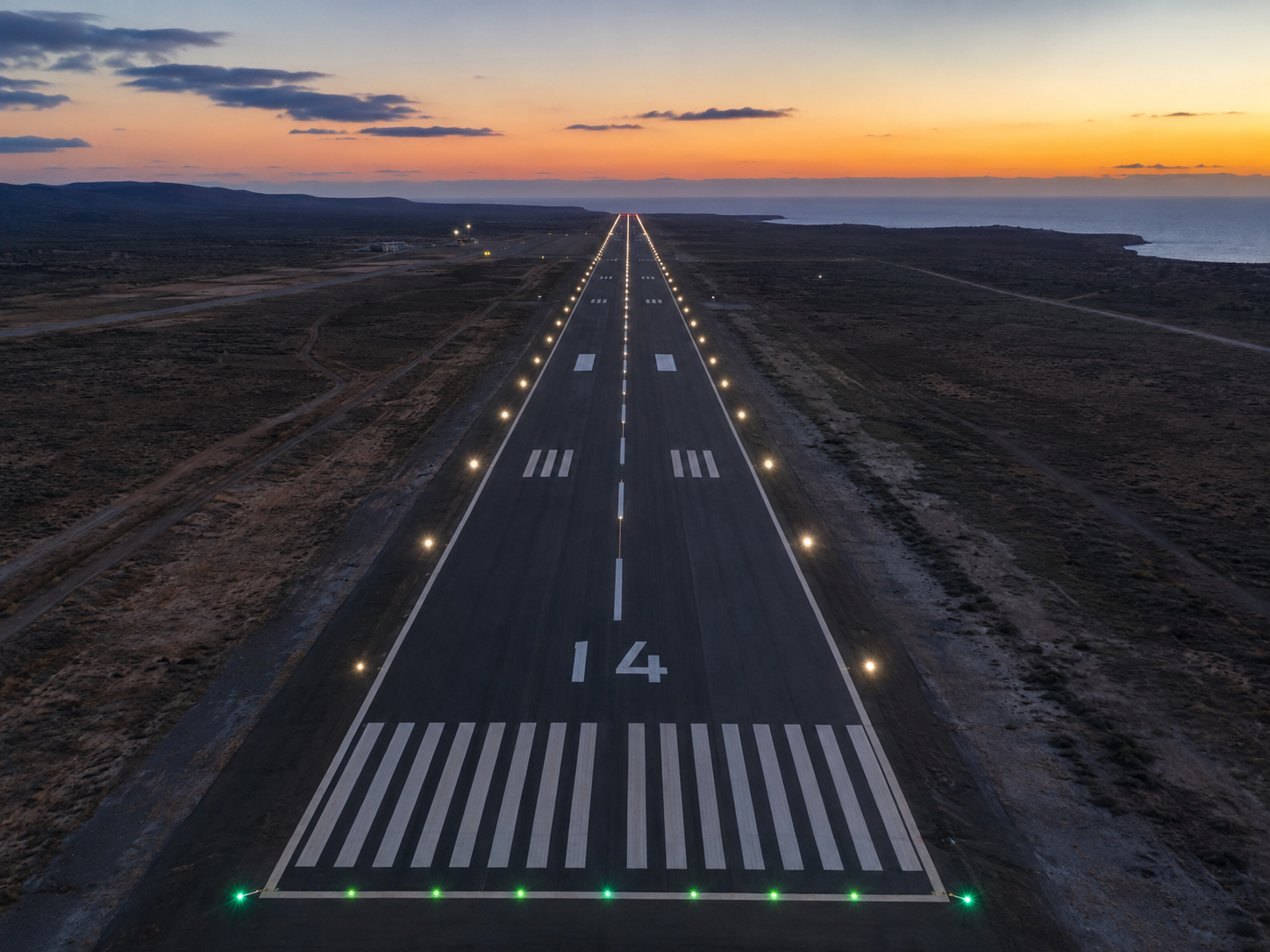
When it comes to the aerodrome lighting inspection frequency in practice, the MOS also specifies that if runway lighting is installed, inspections should be carried out with the lights actually illuminated so that unserviceable lamps and fitting failures can be identified. High-intensity lighting systems require checks at both high and low intensity settings during the same inspection run.
What Triggers an Unscheduled Inspection?
Scheduled checks are only part of the picture. The AGL maintenance schedule MOS 139 requires aerodrome operators to also conduct unscheduled inspections when certain conditions arise. These include:
- After a severe wind or rain storm.
- When requested by air traffic control or CASA.
- When a fault or suspected unserviceability is reported.
- Before the first scheduled passenger air transport movement of the day.
For aerodromes operating during the hours of darkness, inspections at first light and last light are also part of sound practice, as confirmed by multiple certified aerodrome manuals operating under Part 139.
The MOS also makes clear that obstacle lighting within the Obstacle Limitation Surface area of the aerodrome must be monitored at least once every 24 hours for aerodromes with scheduled international operations at night.
Technical Inspections: A Higher-Level Requirement
Beyond the weekly serviceability checks, MOS 139 also sets out requirements for periodic aerodrome technical inspections. These are a more comprehensive review of facilities, equipment, and operations, including all lighting systems. Operators regularly asking how often should airport lighting be inspected NSW will find that the answer shifts depending on traffic volume: the threshold that determines whether your aerodrome requires a full technical inspection, a split inspection, or an annual manual validation depends on your aircraft movement numbers. Aerodromes under 20,000 annual movements typically require an annual validation; those between 20,000 and 100,000 require split inspections; and those above 100,000 require full technical inspections.
Importantly, MOS 139 sets maximum interval periods between technical inspections, but operators should increase frequency if inspection reports show deterioration is accelerating. Lighting systems and cable infrastructure in particular tend to need more specialized attention as they age. If you are unsure where your aerodrome sits within these thresholds, it is worth reviewing how often should airport lighting be inspected NSW relative to your current movement numbers before your next annual audit.
Why This Matters for NSW Aerodrome Operators
For aerodrome operators across New South Wales, the environment adds another layer of complexity. Coastal humidity, severe storms, and the operational demands of defense and remote-community airstrips mean that AGL systems can degrade faster than at lower-risk locations. Knowing how often should airport lighting be inspected NSW is especially important in these conditions, where storm damage and humidity can push systems out of serviceability between scheduled checks. Australian Airport Lighting supports operators across coastal airports, remote inland aerodromes, and defense facilities with inspections and emergency response geared to those conditions.
The AAL group operates under the Q5-SMS safety framework, which integrates quality management, work health and safety, electrical safety, airside safety, and environmental management across all inspection and maintenance activities.
Understanding how often should airport lighting be inspected NSW is the first step. Building a defensible, scheduled programme around those requirements is what keeps your certificate intact and your aerodrome safe.
Find out more about the existing AGL control and monitoring systems that support real-time fault detection between scheduled inspections.
Get Your AGL Maintenance Programme Sorted
Don't leave your inspection schedule to guesswork. The team at Australian Airport Lighting has been supporting aerodrome operators since 1990, across major, regional, and remote airports in NSW. Find us on Google Maps or call +61 7 4775 6711 to talk through your requirements. For a structured approach to your compliance obligations, our AGL maintenance planning and monitoring team is ready to help.
Ready to Get Your Inspection Schedule Under Control?
Australian Airport Lighting works with aerodrome operators across New South Wales to build maintenance programmes that satisfy MOS 139 and stand up to CASA scrutiny. Call us on +61 7 4775 6711 or visit our AGL maintenance planning and monitoring page to get started.
Recent Posts