If you manage a certified aerodrome in Australia, you have probably asked yourself: how often should airport lighting actually be inspected, and what does the regulation require?
CASA Part 139 Manual of Standards sets minimum inspection cycles that every certified aerodrome must follow. This guide breaks them down clearly so you know where you stand.
Routine Serviceability Inspections
Under MOS 139, every certified aerodrome must carry out a minimum of two serviceability inspections each week, with at least 48 hours between them. If the aerodrome has scheduled air transport operations, an inspection is also required on each day that an air transport movement is scheduled.
CASA guidance recommends completing the inspection before the first scheduled movement of the day where practical. If the first movement is before sunrise, the critical safety items (FOD, visual aids, significant hazards) should be checked first, with the remainder of the inspection completed once there is enough daylight.
These are minimum requirements. Operators should increase the frequency based on local risk. Weather exposure, traffic volume, and the condition of the lighting system all play a part.
Checking the Light fittings
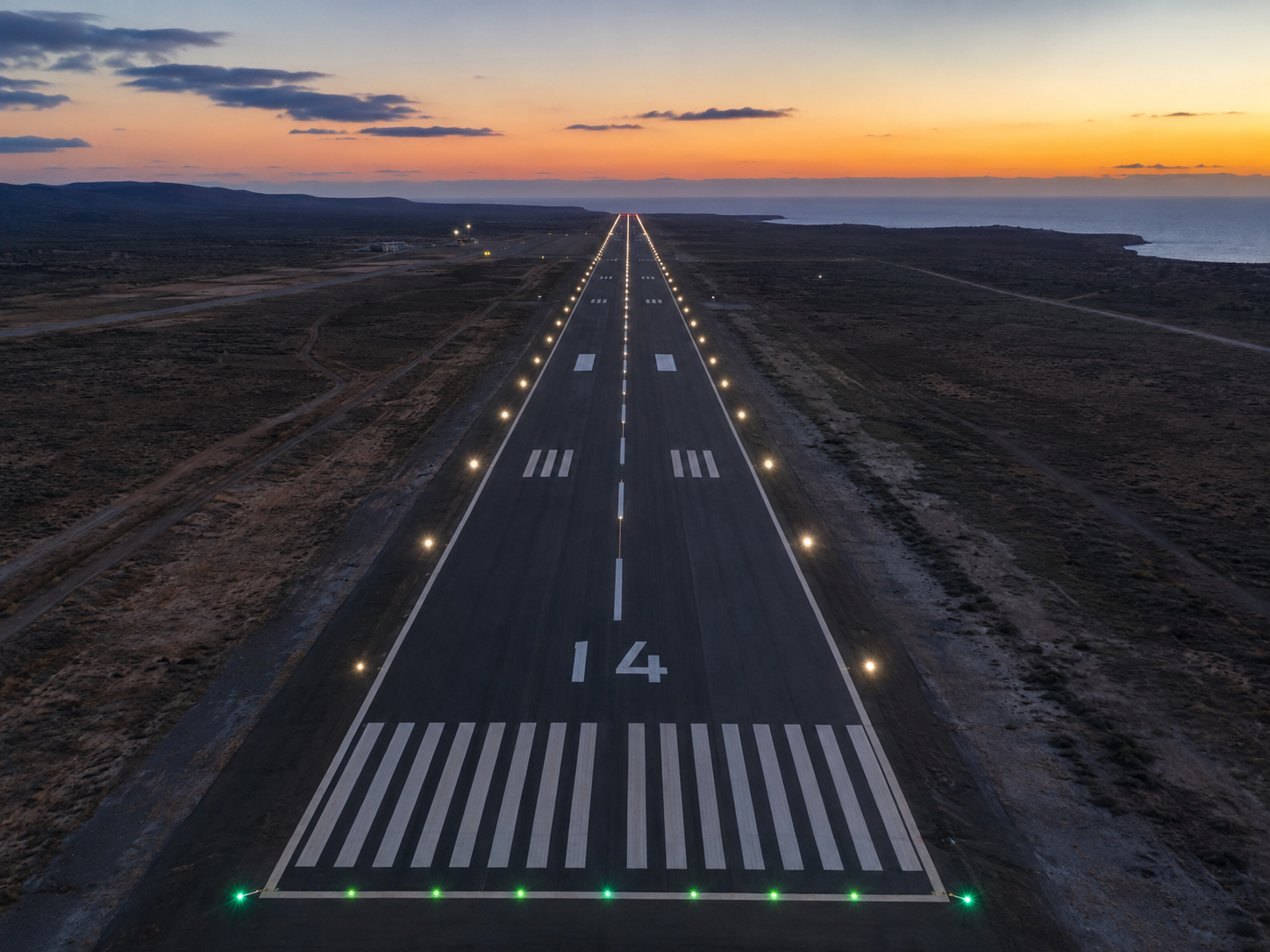
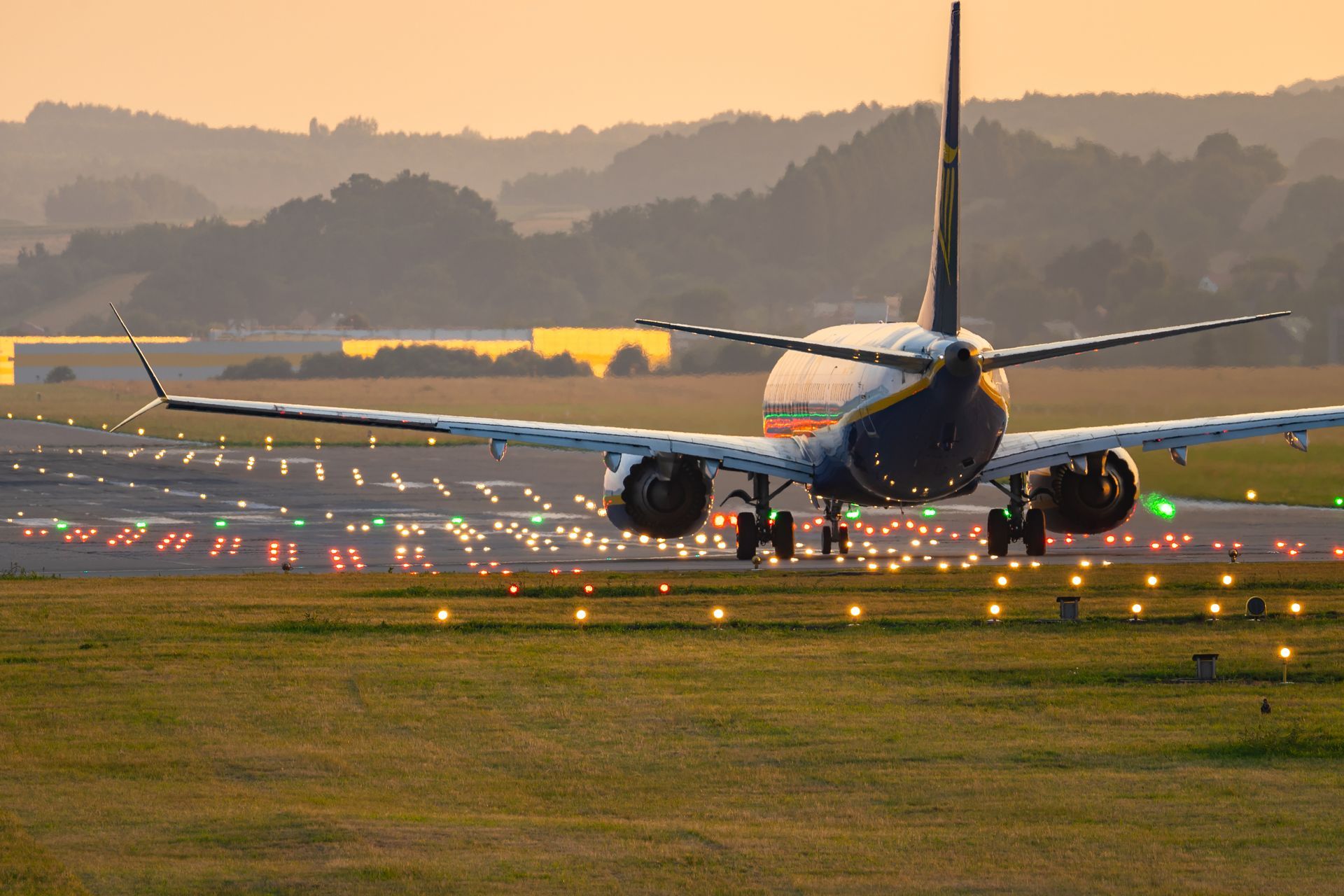
When runway lighting is installed, it is good practice to conduct inspections with the lights are energised. This makes it possible to identify unserviceable lamps and fitting failures that may not be obvious during daylight.
For high intensity systems, checking both high and low intensity settings during the same inspection run is recommended so that problems at different stages are not missed.
Unscheduled Inspections
In addition to the planned schedule, MOS 139 requires a serviceability inspection when any of the following occur:
- After a severe wind event, severe storm, or period of heavy rainfall
- When a hazard to aircraft may be present on the manoeuvring area
- When requested in writing by CASA
- When requested by ATC (where applicable)
CASA also recommends an additional inspection if a pilot or ARFFS provider reports a hazard.
Obstacle Lighting
Obstacle lighting within the Obstacle Limitation Surface must be monitored at a frequency that depends on the type of operations:
- At least once every 24 hours at aerodromes with scheduled international air transport operations at night
- At least once every 48 hours at aerodromes with scheduled domestic air transport operations at night
- At least once every 7 days at other aerodromes
Technical Inspections and Manual Validations
Beyond the regular serviceability checks, MOS 139 also requires periodic higher level reviews.
Current thresholds are:
- Aerodromes with fewer than 10,000 air transport passenger movements or fewer than 20,000 aircraft movements in a financial year generally require an aerodrome manual validation.
- Aerodromes at or above those figures require a full aerodrome technical inspection (ATI).
The technical inspection is a more comprehensive review of facilities, equipment and operations, including the lighting systems. Maximum intervals are set by the MOS, but operators should increase frequency if inspection reports show deterioration is accelerating.
Why This Matters in Australian Conditions
Coastal humidity, severe storms, high UV, and the demands of remote and regional operations mean lighting systems can degrade faster than expected. Storm damage and environmental wear can push fittings out of serviceability between scheduled checks.
Knowing the minimum requirements is the starting point. Building a practical, documented programme around them, and adjusting it to the real risks at your site, is what keeps the system reliable and the aerodrome certificate secure.
If you need support with inspection planning, technical inspections, or ongoing AGL maintenance, the team at Australian Airport Lighting has been working with aerodrome operators across Australia and the wider region since 1990.